Ann Arbor, Michigan, is launching a groundbreaking pilot program that could reshape how cities approach residential energy. Starting this year, the Ann Arbor Sustainable Energy Utility (A2SEU) is partnering with energy management company FranklinWH to install solar panels paired with battery storage in 150 homes. The goal? Drastically reduce household electricity bills while building a resilient, clean-energy grid. Below, we answer key questions about what this program entails, who benefits, and why it might become a model for cities nationwide.
1. What exactly is the Ann Arbor solar+battery pilot program?
The pilot is a city-led initiative through the Ann Arbor Sustainable Energy Utility (A2SEU). It involves installing rooftop solar photovoltaic (PV) systems combined with home battery storage in 150 single-family residences across the city. The program is designed to lower participants' electricity bills by generating and storing their own clean energy, reducing dependence on the grid during peak hours. Additionally, the batteries can provide backup power during outages. This is a test to see how distributed solar+storage can benefit both homeowners and the broader electrical network—potentially deferring costly grid upgrades and integrating more renewable energy.
2. How many homes are involved, and who qualifies?
The pilot targets 150 homes across diverse neighborhoods in Ann Arbor. Eligibility is determined by several factors: the home must be owner-occupied single-family residential, have a suitable roof (adequate sun exposure, good condition, and not heavily shaded), and the household must meet certain income requirements. Priority is given to moderate-income families to ensure equitable access to energy savings. The city has conducted an outreach campaign to inform residents of opportunities to apply. Selection is based on technical feasibility and the goal of creating a representative sample of Ann Arbor's housing stock.
3. What technology is being installed?
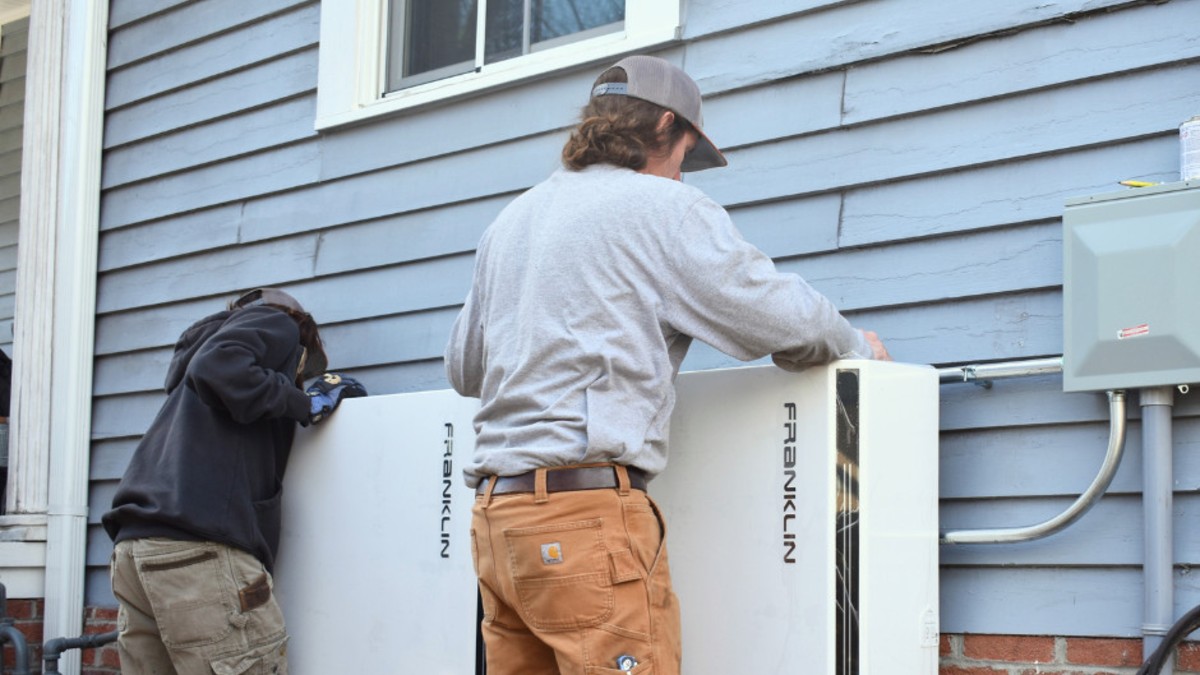
The systems are supplied and managed by FranklinWH, a leading energy management company. Each home receives a solar panel array (typically 5–10 kW depending on roof size and household usage) paired with a FranklinWH aPower battery unit. The battery has a capacity of 13.6 kWh, providing ample storage for overnight or cloudy-day use. The system includes an intelligent energy management controller that optimizes when to charge from solar, when to discharge to the home, and when to sell excess power back to the grid. The equipment is backed by warranties and remote monitoring.
4. What are the expected benefits for homeowners?
Homeowners can expect a significant reduction in their monthly electricity bills—estimated between 30% and 60% depending on their consumption patterns and local utility rates. By generating solar power during the day and storing surplus in the battery, they use less grid electricity during expensive peak hours. The battery also provides backup power for essential loads during blackouts, increasing energy resilience. Additionally, participants contribute to the city's climate goals, reducing carbon emissions. There is no upfront cost for installation; the city covers it through utility funds and grants.
5. How does the financial model work for this pilot?
The project is funded by the Ann Arbor Sustainable Energy Utility (A2SEU) using a combination of municipal bonds, state and federal grants, and utility revenue. Homeowners do not pay for the solar+storage system installation—it is provided at no cost to them. In return, they agree to share energy usage data and allow the city to dispatch battery capacity for grid services (such as demand response) during times of high stress. This helps the city avoid costly infrastructure upgrades. The savings on the homeowners' electric bills are their primary incentive, while the city benefits from reduced peak demand and carbon reductions.

6. What makes this pilot a potential model for other cities?
Ann Arbor's approach combines municipal leadership, innovative financing, and partnership with a private technology company. Unlike typical utility-led programs, A2SEU is a publicly owned utility dedicated to sustainability, allowing it to prioritize long-term community benefits over profit. The integration of solar plus intelligent battery storage enables dynamic energy management that can reduce strain on the grid during peak times. If successful, the data from this 150-home sample will provide a blueprint for scaling the model to tens of thousands of homes—showing how cities can accelerate renewable energy adoption while lowering residents' bills. The program addresses equity by targeting moderate-income homeowners.
7. When does installation start, and how long does the pilot last?
Installation began in early January 2025 and will be rolled out in phases over the following six months. Each home installation takes about two to three days, including panel mounting, battery setup, and system configuration. The pilot is expected to run for three years, during which the city will monitor performance, participant satisfaction, and grid impacts. After the pilot period, the equipment remains with the homeowners, who can continue to use it under a maintenance agreement. The data collected will inform decisions about a potential city-wide program.
8. What role does the Ann Arbor Sustainable Energy Utility (A2SEU) play?
A2SEU is the municipal entity that conceived, designed, and is managing the pilot. Established to help Ann Arbor meet its carbon neutrality goals, A2SEU focuses on community-scale renewable energy and energy efficiency. It oversees the selection of participants, contracts with FranklinWH, arranges financing, and monitors outcomes. A2SEU also ensures equitable access by subsidizing installations for moderate-income households. By acting as a public utility, A2SEU can coordinate with the existing electric grid operator to maximize the benefits of distributed storage—something a private company alone could not do. This utility structure allows the city to reinvest any savings into future clean energy projects.