When we think of porous materials, fabrics and wood come to mind—substances that allow liquids or gases to pass through. Metals, by contrast, are typically dense, impermeable, and unyielding. Yet, specialized manufacturing techniques can transform steel into a "breathable" material, with small interconnected pores that permit gas flow while maintaining structural integrity. This innovation is especially valuable in the molding industry, where trapped air during injection molding causes defects. This article explores how breathable steel is made, why it matters, and how it solves persistent production challenges.
The Challenge of Gas Entrapment in Injection Molding
In injection molding, molten plastic is forced into a steel mold at high temperature and pressure. The mold cavity initially contains air, which must be expelled before the plastic solidifies. If air gets trapped, it can dissolve into the plastic, forming bubbles, voids, or surface imperfections—collectively known as gas porosity. Gas porosity is a major headache for engineers, as it leads to rejected parts and wasted material. Traditional solutions include designing exhaust ports, vacuum systems, or complex venting channels. However, these add cost and complexity, and they may not eliminate all trapped gas, especially in molds with intricate geometries.
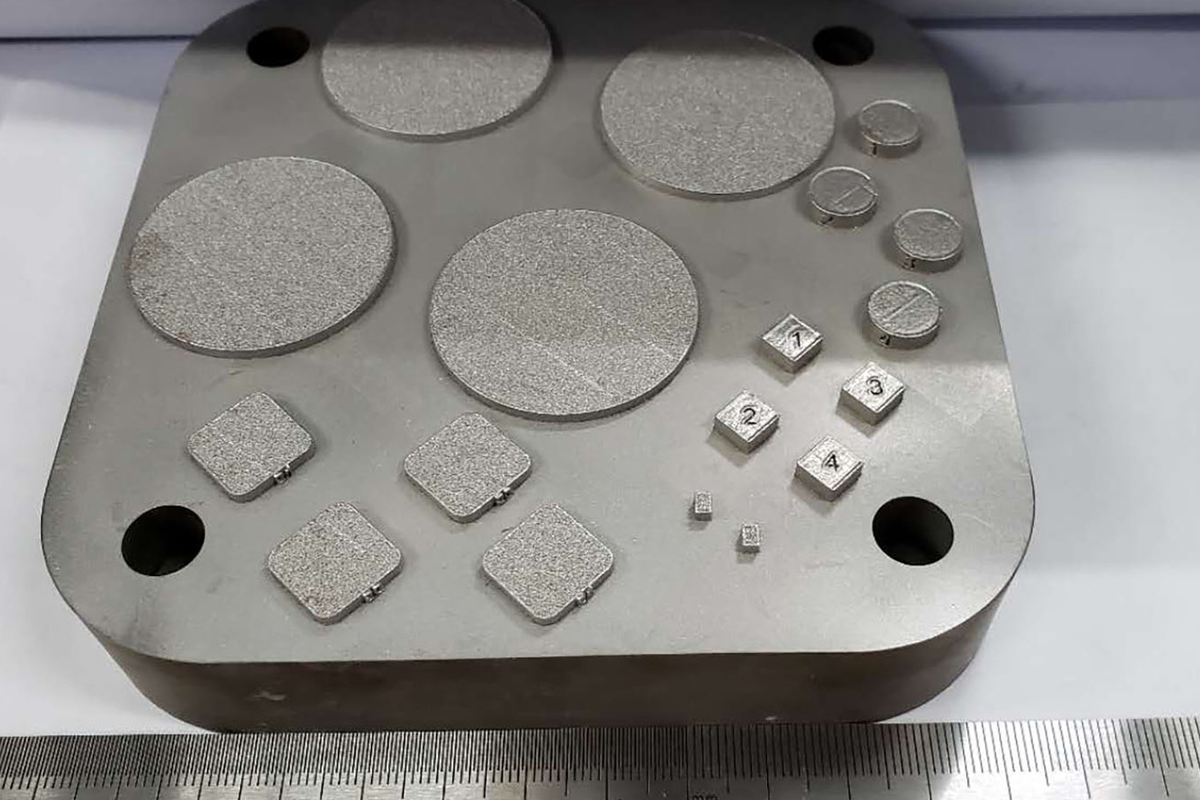
What Is Breathable Mold Steel?
Breathable mold steel is a porous metal that allows gases to pass through the tooling itself, eliminating the need for external vents. The steel contains millions of microscopic, interconnected pores—typically in the micrometer range—that act as tiny channels for air or vapor to escape. At the same time, the pores are small enough that molten plastic, which has higher viscosity and surface tension, cannot penetrate. This creates a self-venting mold that improves part quality and reduces defect rates. The material behaves like a solid in terms of strength and durability but acts like a filter for gases.
Manufacturing Breathable Steel
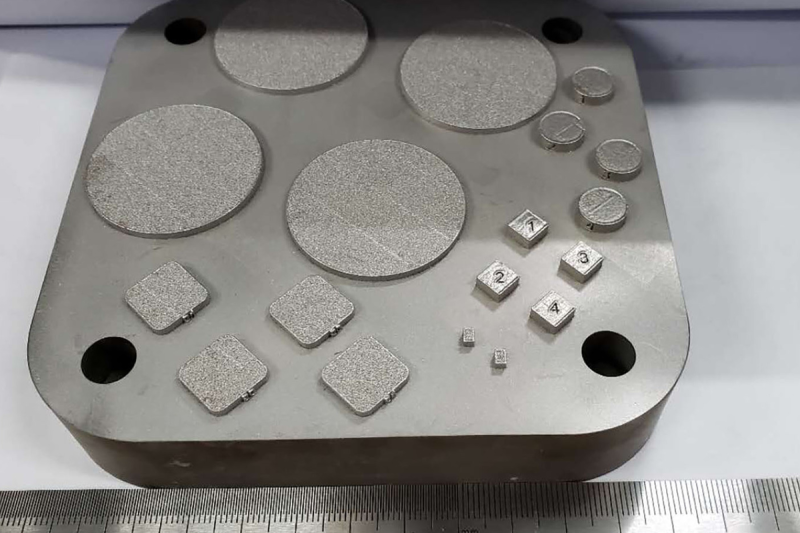
Creating a steel mold with controlled porosity is not trivial. Traditional machining cannot produce such fine, interconnected channels uniformly throughout a complex shape. Instead, manufacturers turn to additive manufacturing, specifically selective laser melting (SLM). In SLM, a laser fuses metal powder layer by layer to build a 3D object. To make the steel porous, a foaming agent is mixed into the powder. When the laser heats the mixture, the foaming agent decomposes and releases gas, which creates bubbles in the molten metal. These bubbles become pores as the metal solidifies. The process parameters—laser power, scan speed, foaming agent concentration—are carefully controlled to achieve the desired pore size, distribution, and connectivity. Research papers, such as those from the University of Birmingham, demonstrate that this method can produce steel with up to 30% porosity while retaining sufficient mechanical strength for molding applications.
Benefits and Applications
Breathable mold steel offers several advantages over conventional vented molds:
- Reduced defects: Gas can escape uniformly through the entire mold surface, minimizing voids, burn marks, and short shots.
- Simpler design: No need for complex exhaust channels or vacuum systems, reducing tooling cost and lead time.
- Improved cycle times: Faster venting allows quicker injection and cooling, increasing productivity.
- Better surface finish: Parts come out smoother because trapped gas doesn't create blemishes.
- Longer mold life: Less wear from gas pressure and thermal cycling.
Applications extend beyond plastic injection molding. Breathable steel can also be used in die casting, where similar gas entrapment issues occur. Additionally, the material finds use in gas-assisted injection molding and foam injection molding, where controlled gas flow through the mold can enhance part properties.
Future Prospects
While breathable steel is still an emerging technology, research continues to optimize pore characteristics and scaling production. Advances in metal additive manufacturing, including binder jetting and directed energy deposition, may offer alternative routes to porous tooling. As the cost of 3D printing decreases, breathable molds could become standard in high-volume production. The ability to "breathe" through steel opens up new possibilities in thermal management, filtration, and even biomedical implants. For now, it represents a clever solution to an age-old problem: how to let air escape without compromising the strength of a solid mold.