Introduction
For many homelab enthusiasts and remote-access users, the network stack often involves multiple vendors. One common pairing is Cloudflare for DNS, encrypted DNS (DoH), and tunneling, with Tailscale handling the mesh VPN, carrier-grade NAT (CGNAT), remote homelab access, and device-to-device connectivity. While this combination works well, it introduces an additional company into your network—along with extra complexity, potential points of failure, and administrative overhead. But what if Cloudflare could handle everything itself? That’s exactly what Cloudflare Mesh offers: a way to unify your network services under one roof.
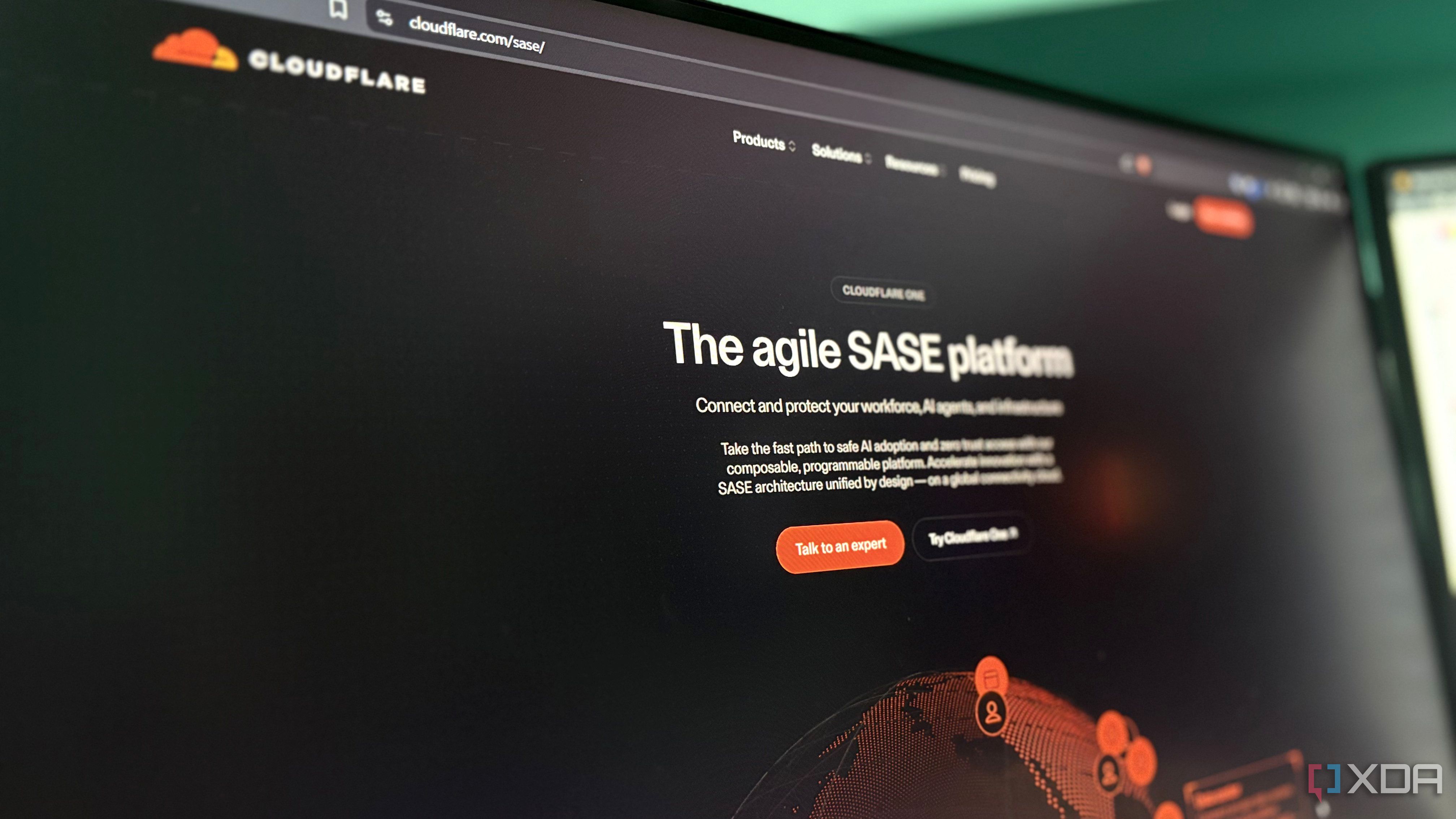
What Cloudflare Already Brings to the Table
Cloudflare’s core services have long been a staple for network administrators. With its global anycast network, Cloudflare provides:
- DNS resolution – fast, secure, and with built-in DDoS protection.
- DNS-over-HTTPS (DoH) – encrypting DNS queries to prevent eavesdropping.
- Argo Tunnel / Cloudflare Tunnel – securely exposing local services without opening firewall ports.
These features already cover a significant portion of the typical remote-access chain. Adding Tailscale on top means that, in many cases, traffic flows through Cloudflare only to reach a tunnel endpoint, then goes through Tailscale’s peer-to-peer mesh. It works, but it’s not as streamlined as it could be.
Tailscale’s Role in the Mix
Tailscale is built on WireGuard and provides a zero-configuration mesh VPN. It handles:
- CGNAT traversal – connecting devices behind restrictive NATs.
- Remote homelab access – securely reaching services on a home server from anywhere.
- Phone-to-PC connectivity – seamless linking of mobile devices and desktops.
Tailscale also offers a clean dashboard, easy invite-based sharing, and built-in ACLs. However, its free tier has device limits (100 devices for personal use), and it adds another vendor to trust with your network metadata.
Enter Cloudflare Mesh: The Unified Alternative
Cloudflare Mesh is a newer offering that extends Cloudflare’s reach into the mesh VPN space. It leverages the same global network that powers Cloudflare’s CDN and Zero Trust products. With Cloudflare Mesh, you can:
- Create a secure overlay network between all your devices.
- Use Cloudflare Tunnel for service exposure, but now directly connected to the mesh.
- Apply Zero Trust policies (access rules, authentication) at the edge.
This means you no longer need a separate Tailscale network. Your devices become part of Cloudflare’s secure mesh, with the same ease of use and NAT traversal capabilities.
Key Comparisons: Cloudflare Mesh vs. Tailscale
| Feature | Tailscale | Cloudflare Mesh |
|---|---|---|
| NAT traversal | Excellent (via DERP relays) | Excellent (via Cloudflare edge) |
| Zero-trust integration | Basic ACLs | Full Zero Trust platform |
| DNS management | Separate (unless using Tailscale’s MagicDNS) | Unified with Cloudflare DNS |
| Free tier limits | 100 devices | Up to 50 devices (with some usage caps) |
| Vendor consolidation | No – need Cloudflare for DNS/tunnels | Yes – single vendor for full stack |
Why You Might Ditch Tailscale for Cloudflare Mesh
If you’re already heavily invested in Cloudflare’s ecosystem, consolidating network services under Cloudflare Mesh eliminates the need for a secondary VPN provider. This brings several benefits:
- Simpler architecture – one control plane for DNS, tunnels, and mesh connectivity.
- Reduced attack surface – fewer third-party services with access to your network.
- Unified logging and auditing – all network events in one place.
- Better performance – Cloudflare’s global edge minimizes latency for mesh connections.
Of course, Tailscale remains a fantastic product, especially for users who want a lightweight, pure VPN without additional cloud dependencies. But for those already using Cloudflare for core networking, the switch can streamline operations.
Potential Drawbacks to Consider
No solution is perfect. Cloudflare Mesh is still newer and may have fewer community guides or third-party integrations compared to Tailscale. Also, if your use case is purely a simple VPN (no DNS or tunnel management), Tailscale’s minimal setup might be overkill. Another point: Cloudflare Mesh relies on Cloudflare’s infrastructure—if you have privacy concerns about routing all traffic through Cloudflare, Tailscale’s peer-to-peer model may feel more “local.”
Setting Up Cloudflare Mesh (Quick Overview)
To get started, you need a Cloudflare account with an active zone. Then:
- Enable Cloudflare Mesh from the Zero Trust dashboard.
- Install the Cloudflare WARP client on each device.
- Configure access policies to control which devices can communicate.
- Optionally, use Cloudflare Tunnel to expose internal services without opening ports.
The setup is as straightforward as Tailscale, and integration with Cloudflare’s DNS and firewall rules is seamless.
Conclusion: One Less Company in Your Network
The question “Do I need another company handling remote connectivity?” is valid. For users who already rely on Cloudflare for DNS, DoH, and tunnels, Cloudflare Mesh provides a natural evolution—offering all the mesh VPN capabilities of Tailscale without adding a new vendor. It simplifies your network stack, reduces overhead, and leverages Cloudflare’s robust global infrastructure. While Tailscale remains an excellent choice for standalone VPN needs, consolidation under Cloudflare Mesh can be a cleaner, more efficient path forward.
Ultimately, the decision depends on your specific requirements. But if you value a unified toolchain and minimal vendor sprawl, Cloudflare Mesh is worth a serious look.